
AC Power Protection · CT Secondary Protection
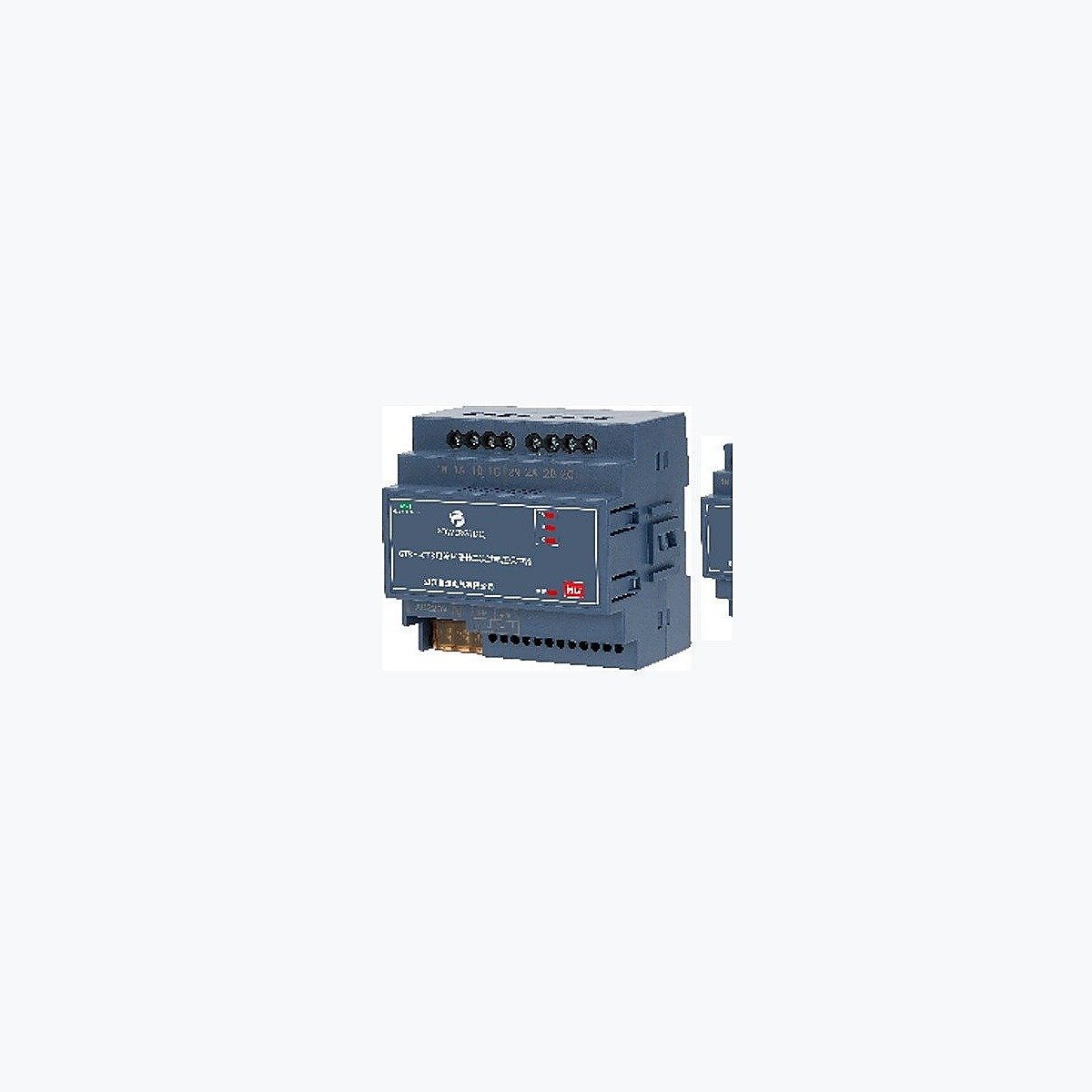
RTX-CTP CT Secondary Protectors
RTX-CTP protects current-transformer secondary circuits against the catalog-stated 150V overvoltage condition, with seven configurations covering 3 to 24 CT secondary circuits.
150VProtection Voltage
3-24Protected Circuits
>15AInternal Carrying Current
5AFault Relay Contact
Overview
RTX-CTP is a dedicated CT secondary protection family, not a current transformer. When the documented protection threshold is reached, the device shorts the affected phase and common terminal and provides a fault relay contact for indication or integration.
The supplier brochure lists automatic holding of the protection contact and automatic reset after power is removed and the fault is cleared. System behavior, wiring and reset procedure must be confirmed against the selected model documentation before commissioning.
Key Features
- 150V catalog-stated protection voltage
- Seven models for 3, 4, 6, 9, 12, 18 or 24 protected circuits
- Internal protection-device current carrying capacity greater than 15A
- 5A fault-relay contact capacity
- Automatic protection-contact holding and power-cycle reset behavior stated in the brochure
Available Models
Model suffixes represent the number of protected CT secondary circuits. Width increases for the 9/12 and 18/24 circuit enclosures while height and depth remain 98mm and 76mm.
| RITOKS Model | Protected CT Circuits | Length | Width | Height |
|---|---|---|---|---|
| RTX-CTP3 | 3 | 103mm | 98mm | 76mm |
| RTX-CTP4 | 4 | 103mm | 98mm | 76mm |
| RTX-CTP6 | 6 | 103mm | 98mm | 76mm |
| RTX-CTP9 | 9 | 150mm | 98mm | 76mm |
| RTX-CTP12 | 12 | 150mm | 98mm | 76mm |
| RTX-CTP18 | 18 | 221mm | 98mm | 76mm |
| RTX-CTP24 | 24 | 221mm | 98mm | 76mm |
Technical Specifications
| Product Type | Current transformer secondary overvoltage protector |
|---|---|
| Protection Voltage | 150V |
| Protection Action | Short-circuiting of an affected phase and the common terminal |
| Internal Protection-Device Carrying Current | >15A |
| Fault Relay Contact Capacity | 5A |
| Contact Behavior | Automatic holding stated in the supplier brochure |
| Reset Behavior | Automatic reset after power removal when the fault has been cleared |
Applications
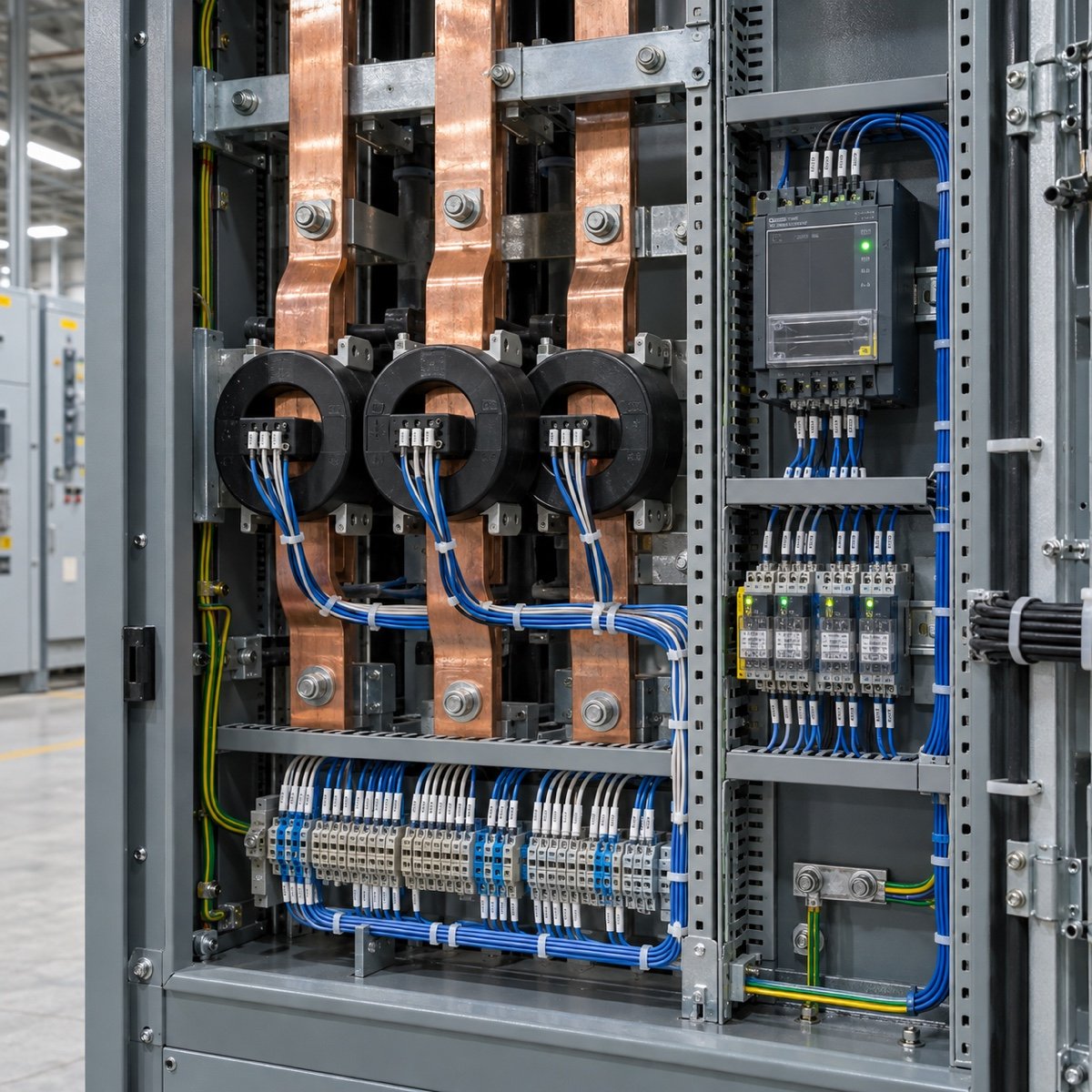
Match the protector to the number of CT secondary circuits and the metering or protection-panel architecture. The AI-generated image illustrates a typical CT secondary protection cabinet.
Metering Panels
Secondary-circuit protection for current transformers feeding panel meters and energy-monitoring equipment.
Protection and Relay Panels
CT secondary supervision in protection cabinets where open-circuit overvoltage must be addressed.
Multi-Circuit CT Systems
Configurations for 3 to 24 protected secondary circuits in centralized electrical panels.
Selection Notes
- Count the CT secondary circuits that require protection.
- Confirm the 150V protection level is suitable for the system design.
- Check enclosure length against available panel space.
- Confirm the 5A fault-relay contact is suitable for the connected indication or control circuit.
- Request the selected model wiring diagram and commissioning procedure before installation.
Frequently Asked Questions
Is RTX-CTP a current transformer?
No. It is a protection device for current-transformer secondary circuits.
How many CT circuits can one device protect?
The documented range includes 3, 4, 6, 9, 12, 18 and 24 circuit configurations.
What protection voltage is stated?
The supplier brochure states a 150V protection voltage for the listed family.
How does the device reset?
The brochure states automatic reset after power is removed when the fault has been cleared. The exact procedure should be checked in the selected model instructions.
Related Products
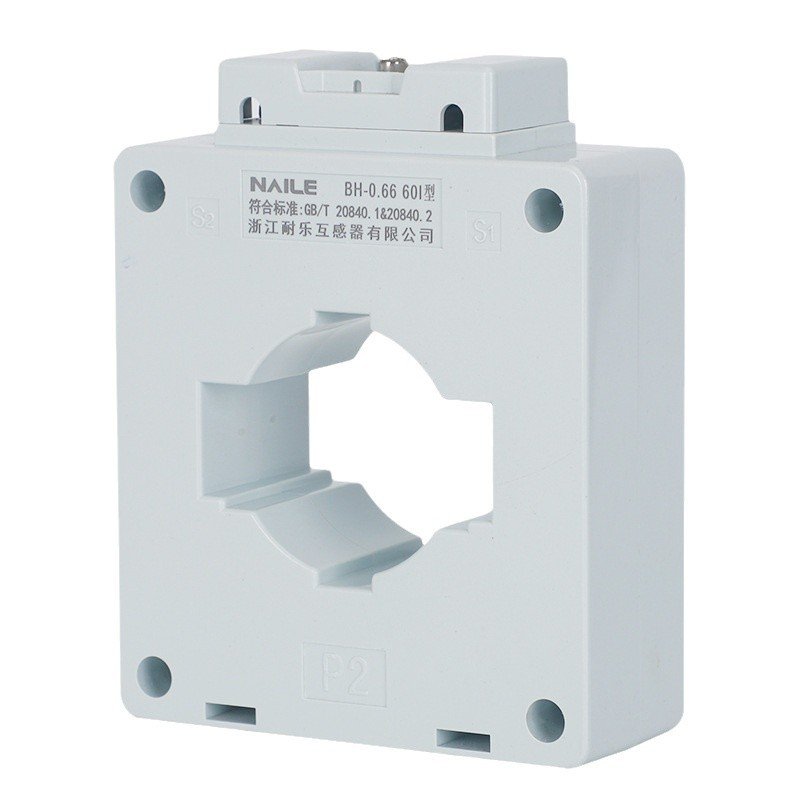
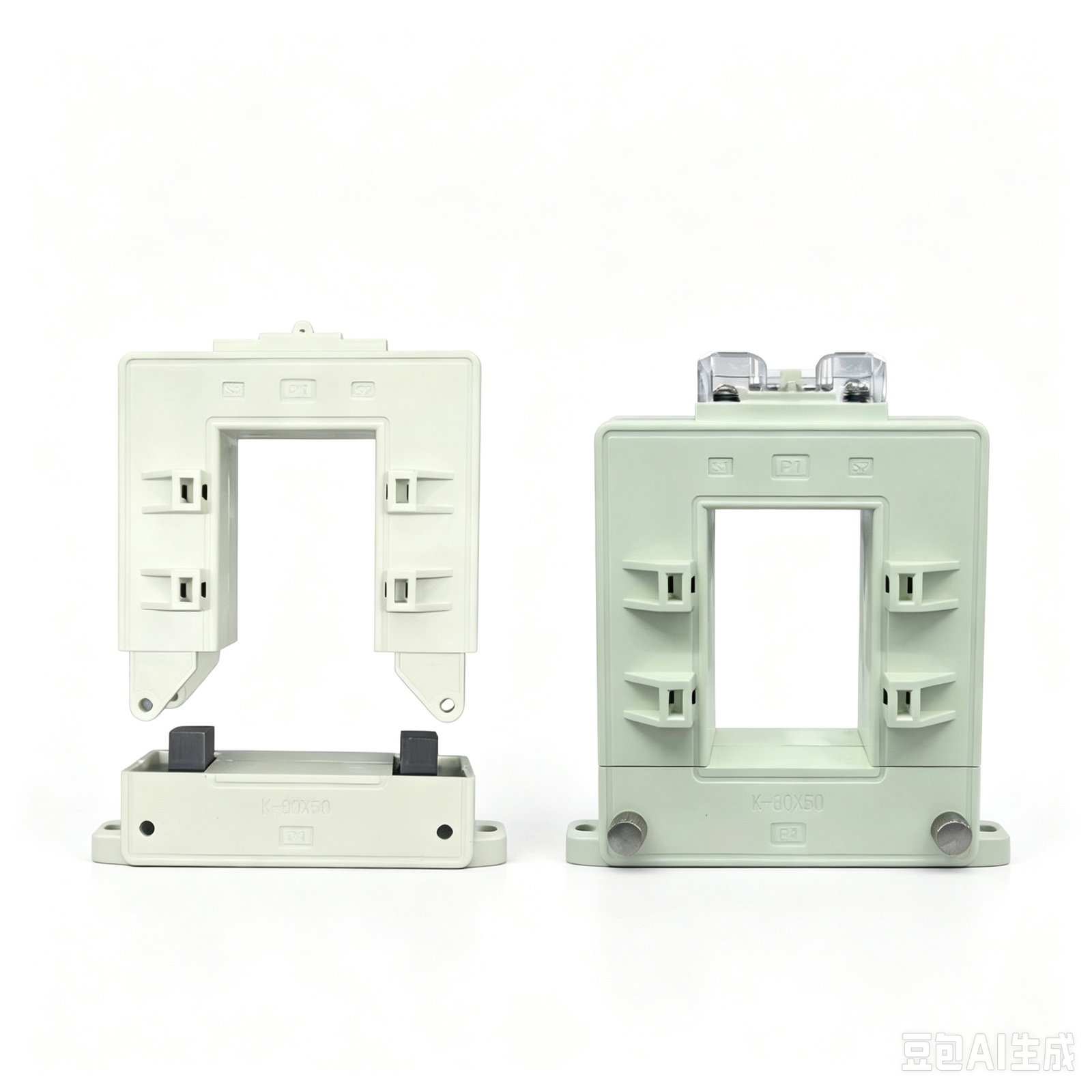
Published current-transformer families that can form the sensing side of a CT secondary protection system.
Request a Quote
Provide the number of CT secondary circuits, CT ratio and secondary rating, panel application, alarm-contact requirement, quantity and destination.